media tools

Top Media Tools Every Content Creator Should Master

If you’ve ever dreamed of creating content that grabs attention and makes an impact, you probably know it’s not just about snapping pictures or writing posts. These days, content creation means using the right tools to tell your story in the most effective way possible. Whether you want to be a journalist, YouTuber, podcaster, or social media creator, knowing which media tools to use and how to use them can make all the difference. In this blog, we’ll look at some of the most important media tools every content creator should get comfortable with and why studying journalism and media at Garden City University in Bangalore can give you a head start. 1. Tools for Creating and Editing Content The first step in content creation is making your content shine. That means learning how to use video editors like Adobe Premiere Pro or DaVinci Resolve, photo editing apps such as Photoshop or Lightroom, and audio tools like Audacity or Adobe Audition. These might sound complicated at first, but with practice, you’ll be able to polish your videos, photos, and podcasts to a professional standard. If journalism or media studies is something you want to pursue seriously, programs like the M.A. Journalism & Mass Communication at Garden City University give you hands-on experience with these very tools, so you’ll graduate ready to hit the ground running. 2. Social Media and Sharing Platforms Creating great content is only half the job. Getting your work seen by the right people is the other half. Tools like Hootsuite or Buffer help you schedule posts and manage multiple social accounts without losing your mind. Canva is another favourite, it lets you design eye-catching graphics even if you aren’t a pro designer. Learning how each platform works, whether it’s Instagram Reels, YouTube Studio, or LinkedIn’s publishing tools, helps you tailor your content for maximum engagement. Garden City University encourages students to experiment with these platforms during their studies so that they can adapt to wherever the audience is. 3. Analytics and SEO: Knowing What Works Once you start sharing content, it’s important to keep an eye on how it’s performing. Tools like Google Analytics or YouTube’s built-in stats show you things like who’s watching, when, and which content they like best. And don’t overlook SEO tools like SEMrush or Moz; these help you tweak your content so it ranks higher on Google and gets noticed. At Garden City University, learning to decode these numbers and use them to improve your work is part of the curriculum, giving students an edge in understanding their audiences better. 4. Collaboration and Project Management Creating content often means working with others—writers, designers, editors, or marketers. To keep everything running smoothly, tools like Trello, Asana, Slack, or Google Workspace come in handy. They help you organise tasks and communicate clearly without endless emails or missed deadlines. Students at Garden City University get plenty of chances to work in teams using these tools, helping them build skills they’ll need in any media job or project. 5. The New Wave: AI and Automation The media world is changing fast, and AI-based tools are becoming part of every content creator’s toolkit. From automated video editing to captioning services, these tools can save you time and add a professional touch to your work. Knowing how to use these emerging technologies will keep you ahead of the curve. At Garden City University, students get introduced to smart media tools that are shaping the future of journalism and content creation. Why Consider Garden City University, Bangalore? If you’re serious about media and journalism, Garden City University in Bangalore offers more than just theory. Their programmes, such as B.A. English & Journalism, M.A. Journalism & Mass Communication, B.Sc. Visual Communication and M.Sc. Visual Communication combines classroom learning with practical experience, including hands-on training with the latest media tools. The university also organises Industry Connect events, where students meet professionals from top media companies, gain mentorship, internships, and real-world exposure. This kind of industry linkage makes a huge difference when you’re ready to build a career. FAQ What media tools should I learn first as a content creator? Start with basic video and photo editing software, plus social media scheduling tools. Then explore analytics and SEO tools as you grow. Does Garden City University teach practical media skills? Yes! The courses focus on real-life media tools and industry connections, so students get hands-on experience. Can non-media students benefit from learning these tools? Definitely. Skills like content editing, social media management, and analytics are valuable in marketing, business, and many other fields. Are AI tools important for content creation now? They’re becoming essential for saving time and improving quality. It’s good to get comfortable with them early. Will mastering these tools help me get a job in media? Absolutely. Employers look for candidates who can hit the ground running with these skills, and hands-on training at GCU can help you get there. Conclusion The world of content creation is exciting and competitive, but mastering the right media tools can give you a serious advantage. Whether you’re passionate about journalism, storytelling, or digital media, learning how to create, share, and analyse your content will set you apart. Garden City University in Bangalore offers a comprehensive program that blends theory with practice, industry links, and the latest tools to help you succeed. If you want to turn your creativity into a career, starting your journey at GCU could be the best decision you make.


career in journalism

How to Build a Career in Journalism in the Digital Age

Ever wondered what it’s really like to be a journalist in our hyper-connected world? If you picture old-school reporters scribbling notes while chasing breaking news, you wouldn’t be entirely wrong—but today’s journalism is so much more. The news travels at the speed of a tweet, reporters might go live from a phone, and stories appear across podcasts, YouTube, and websites. If you’re curious about people and love sharing stories, journalism could be your calling. Let’s explore what it takes to make it in this digital-first profession, and why picking the right university, like Garden City University in Bangalore, can make a world of difference. 1. Real-World Reporting Skills Matter Most Let’s get one thing out of the way: being a journalist isn’t just about writing neat sentences. The best journalists are part writer, part researcher, and part tech enthusiast. You’ll quickly find yourself juggling interviews, fact-checking, some basic photography, and learning new software. At Garden City University (GCU), journalism students work on real campus news platforms and practice everything from video reporting to podcasting. If you want to get a sneak peek, check their B.A. English & Journalism or M.A. Journalism & Mass Communication programs. 2. Building a Portfolio: Why “Show, Don’t Tell” Works You know what gets you hired? Not just a degree, but a solid portfolio. Start a blog, shoot a short documentary, or contribute to your student newspaper—these can really help you stand out. Every media company wants proof you’ve handled real assignments. The good news? GCU encourages students to get involved with the campus magazine, radio, and TV station. If you’re the hands-on type, you’ll find plenty of chances to try your skills and build up a collection of actual published work. 3. Making Yourself Visible Online It might sound obvious, but in a digital world, a journalist’s “brand” is their biggest asset. Don’t be shy about sharing your best work online. Upload reports, tweet your commentary, or start a LinkedIn blog. The more you engage with news online, the quicker you’ll be noticed—not just by audiences, but by editors and recruiters too. Spend a little time learning popular tools and platforms. Whether you’re editing video, designing infographics, or tracking analytics, every new skill gives you an edge. 4. Your Network Can Be Your Shortcut In journalism, “who you know” often matters as much as “what you know.” This is where a modern university shines. At GCU, the School of Media Studies has strong partnerships with major news outlets—think NDTV, Times of India, CNN IBN, Zee TV, Ogilvy & Mather, and more. Through their annual Industry Connect event, students meet industry experts, attend masterclasses, and get direct feedback on their work. These connections aren’t just for show—many students find internships and even first jobs through these networking opportunities. 5. Keep Learning, Always News and media habits change all the time—what worked yesterday might not tomorrow. Being open to new ideas, taking online courses, and experimenting with formats (hello, news memes and explainers!) is just part of the gig. At GCU, the curriculum is designed to keep up with industry trends, so students won’t be left behind when the next big thing hits journalism. Why Study Journalism at Garden City University Bangalore? It’s simple. If you’re hungry to learn, GCU offers top-notch, up-to-date courses, supportive faculty, top-level industry links, and loads of hands-on opportunities. Whether you go for the B.A. English & Journalism or the M.A. Journalism & Mass Communication, you’ll graduate ready to take on any newsroom—old or new school. FAQ Do I need a journalism degree to enter this field? Not always, but a good program (like GCU’s) builds solid habits, connects you with professionals, and sharpens your confidence. What are the top skills every aspiring journalist should have? A curious mind, steady writing, digital know-how, and the guts to chase a story—plus, being comfortable on camera and on social media helps a lot. How does GCU help with placements and real-world experience? Industry Connect events, campus media, internships, and tie-ups with top newsrooms mean GCU students aren’t just learning—they’re doing. Will I learn TV, digital, and print reporting at GCU? Yes! You’ll dip your toes into every media stream, so you can figure out what you love most (or do it all). Any tips for starting out while I’m still in college? Write consistently, be social (online and offline), and ask questions. The earlier you build your portfolio, the more employers will take notice. Conclusion Jumping into journalism in the digital age is a wild ride—fast-paced, creative, and rewarding. If you’re thinking about where to start, Garden City University in Bangalore offers everything you need: smart courses, great teachers, industry connections, and a campus that feels like a real newsroom. Want to find out more? Check out their B.A. English & Journalism and M.A. Journalism & Mass Communication pages—and take the first step into the world of digital storytelling.

how to start a business

Entrepreneurship in College – How to Start a Business While You Study

Do you dream of running your own business even before you graduate? For many students, college is no longer just about attending classes and writing exams. Thanks to the booming entrepreneurial spirit across the country, more students are choosing to start businesses during their college years. If you’re wondering how to start a business while still managing your studies, you’re in the right place. Here’s a practical, step-by-step guide tailored to students who want to take that first leap into entrepreneurship without needing a Silicon Valley mindset or global connections. 1. Find the Right Business Idea (Start Small, Think Local) Don’t wait for a million-dollar idea or something that’s never been done before. The best student businesses often begin with everyday skills or needs tutoring, selling homemade crafts, organizing on-campus events, or solving a simple local problem. Think about: What are you good at or enjoy (writing, teaching, art, coding)? Is there a local demand on campus or in your community? Can this work alongside your study schedule? Start with a simple approach and test your idea with classmates, family, or friends. 2. Do Your Homework Before you jump in, do some basic research. Look up other student businesses in your college or city. What do their prices look like? How do they reach customers? Try to find something that makes your idea stand out even if it’s better pricing, a unique style, or simply better service. Your research doesn’t need to be complicated. Talk to students, use WhatsApp groups, or run a quick Instagram poll to get real feedback. 3. Make a Simple, Practical Business Plan Forget heavy business jargon. A single-page plan is enough to get started. Write down: What’s your product or service? Who is your customer? Where will your initial money go (supplies, marketing, tools)? How will you make a profit? What’s your monthly goal (number of sales or earnings)? Start small—even ₹500–₹1,000 can be enough for many student projects. 4. Balance Books and Business: Time Management Is Key Balancing classes and your business might feel overwhelming at first. Set realistic goals for both. Use digital tools like Google Calendar, keep your professors informed, and set aside dedicated “business hours.” Team up with friends or classmates to divide tasks. Most universities (including many private colleges) now have entrepreneurship cells or clubs to help you manage both worlds. 5. Use Campus Resources (Incubators, Clubs, and Events) Many colleges have dedicated entrepreneurship cells, innovation labs, and incubation centers where you’ll find mentorship, networking, seed funding, and even help registering your business. Attend campus hackathons, business plan competitions, or fests to showcase your ideas and get feedback. Don’t hesitate to seek out a faculty mentor, they can introduce you to important contacts. 6. Leverage Low-Cost Tools for Promotion Post on Instagram, WhatsApp status, or Telegram groups. Print basic posters and put them up in hostels or mess areas. Offer “Refer and Earn” deals. Students love a good deal! Collaborate with other student entrepreneurs for cross-promotion. Accept payments easily with UPI or payment apps (PhonePe, Google Pay, Razorpay). 7. Take Advantage of Government & University Support Student entrepreneurs in India have access to several government schemes, such as Startup India, TIDE 2.0, or incubation grants. Find out if your college is registered with an official Institute Innovation Council (IIC). These provide workshops, funding, and legal support for early-stage startups. Why Consider Garden City University, Bangalore for Student Entrepreneurs? Garden City University (GCU) in Bangalore is a great place for student entrepreneurs who want more than just classroom learning. Through initiatives like their flagship Industry Connect’25 event, GCU connects students with industry leaders and experts, offering valuable networking and mentorship opportunities. The university strongly supports entrepreneurship with incubation centres, real-world problem-solving projects, and regular innovation competitions, helping students gain practical experience in building and running ventures. With a focus on blending academics and hands-on learning across its various schools, including Commerce, Management, and Media Studies, GCU empowers students to turn their business ideas into reality while still studying. FAQ Is it legal for Indian students to start a business during college? Yes! There are no rules stopping students from starting small businesses. For large-scale operations, you may need registration—check with your college’s entrepreneurship cell for help. What is the best business to start while studying? Choose something flexible—like tutoring, online services, reselling products, or skills you’re confident in. The best business is one you can manage alongside your course. What college resources can help me start up? Look for entrepreneurship cells, incubators, innovation labs, or alumni networks. Many colleges now offer mentorship, access to funding, and workspace for student entrepreneurs. How much money do I need to start? Often less than you think! Many student businesses start with ₹500–₹1,000 and free tools for marketing and payments. Focus first on validating your idea before investing more. How do I promote my business without much funding? Use free digital tools—social media, WhatsApp, Telegram, or spreading the word through friends and campus groups. Consistency and engagement matter more than money in student circles. Conclusion Starting a business in college as a student isn’t just doable, it’s one of the best ways to learn life skills, earn money, and build networks that last long after graduation. Begin with a simple idea, use your local network and college resources, stay focused on your studies, and don’t be afraid to make mistakes. If your college has innovative programs or incubation centers, make the most of them—you’ll learn much more than any textbook can offer. Ready to take your first step in entrepreneurship? Don’t wait for the “perfect” time, start small, test ideas, and let your college years be your entrepreneurial launchpad!

psychology students

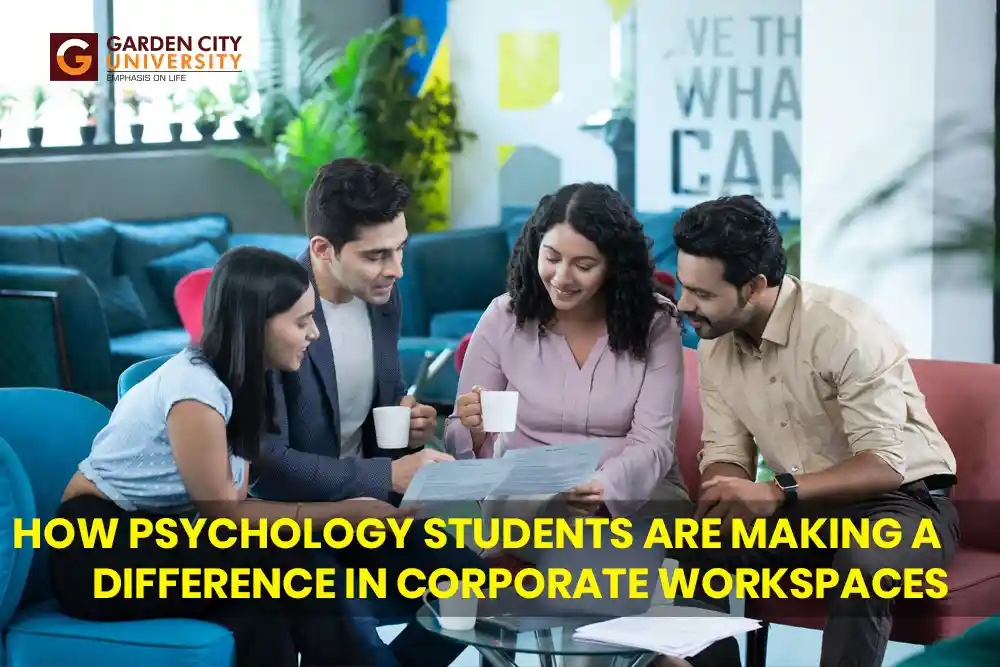
How Psychology Students Are Making a Difference in Corporate Workspaces

Psychology is no longer limited to clinics and counseling suites—today it’s having a forceful influence on the corporate world. With more companies concentrating on workers’ well-being, motivation, and office politics, psychology students are filling positions where their knowledge of human behavior is an enormous strength. Here’s how psychology students are making valuable contributions to the corporate space and how their skillset has never been more applicable. The Strengths of a Psychology Student As a psychology student, you have become adept at conducting academic research. You understand APA style–introduction, method, results, discussion–and are adept at designing psychological experiments with ease. Furthermore, your ability to relate to others stems from understanding that different people act in different ways with varied motivations for their behaviors; you’re a great listener with the knack for providing thoughtful advice. Empathy and Awareness: The Psychology Student Advantage Your friends depend on you for insight, and you’re often the first one to notice problems in their work or social life. Your empathy led you to pursue this field of study and is the fuel behind your desire to help. Academic Rigor and Passion for Psychology Have you been spending more time in the library than your dorm room, and are adept at writing APA papers and lab reports? Maybe you are also up-to-date with research findings, reading the work of famous psychologists such as Sigmund Freud, Albert Bandura, Ivan Pavlov and Wilhelm Wundt? Applying Psychology in the Corporate World At this point in your college career, you are prepared to embark on new challenges and put your psychology degree to good use. Many are considering graduate programs while others might prefer working in corporate environments. Psychologists can make a considerable contribution to any workplace environment by helping create an atmosphere that inspires employees and offers rewards; additionally they can decrease stress levels while increasing job satisfaction levels. Psychologists can be invaluable assets during the hiring process, by helping identify candidates who will be both happy and productive at work. They can train human resources managers in how to conduct behavioral interviews as well as creating tests for evaluating job applicants. Gaining Experience While You Study Psychology students need practical experience while they complete their degree, so obtaining part-time jobs, summer placements or internships are beneficial in this regard. Many universities even provide a year out in industry as part of the degree, giving students hands-on experience and applying academic knowledge directly in real world settings. When given these experiences psychology graduates become highly effective employees across roles like human resources management or marketing. Study Psychology at Garden City University, Bangalore If you’re passionate about using psychology to make a real-world impact, Garden City University (GCU), Bangalore offers the perfect environment to shape your career. GCU provides multiple psychology-focused programs including Bachelor of Science in Psychology, B.A. in English and Psychology, M.Sc. Psychology, and even a Doctor of Philosophy (Ph.D.) in Psychology. These programs combine academic excellence with industry exposure, practical training, and opportunities for research. With experienced faculty and a strong focus on employability, students gain not only theoretical knowledge but also the skills and confidence to work in corporate, clinical, or research settings. Conclusion Psychology students are uniquely positioned to bring empathy, insight, and analytical thinking into the workplace. From improving team dynamics to influencing hiring strategies, their impact is being increasingly recognized across industries. By choosing the right academic path—such as the programs offered at Garden City University—you can turn your passion for understanding people into a rewarding and meaningful career. The future of work is human-centered, and psychology students are at the heart of it.

mba students

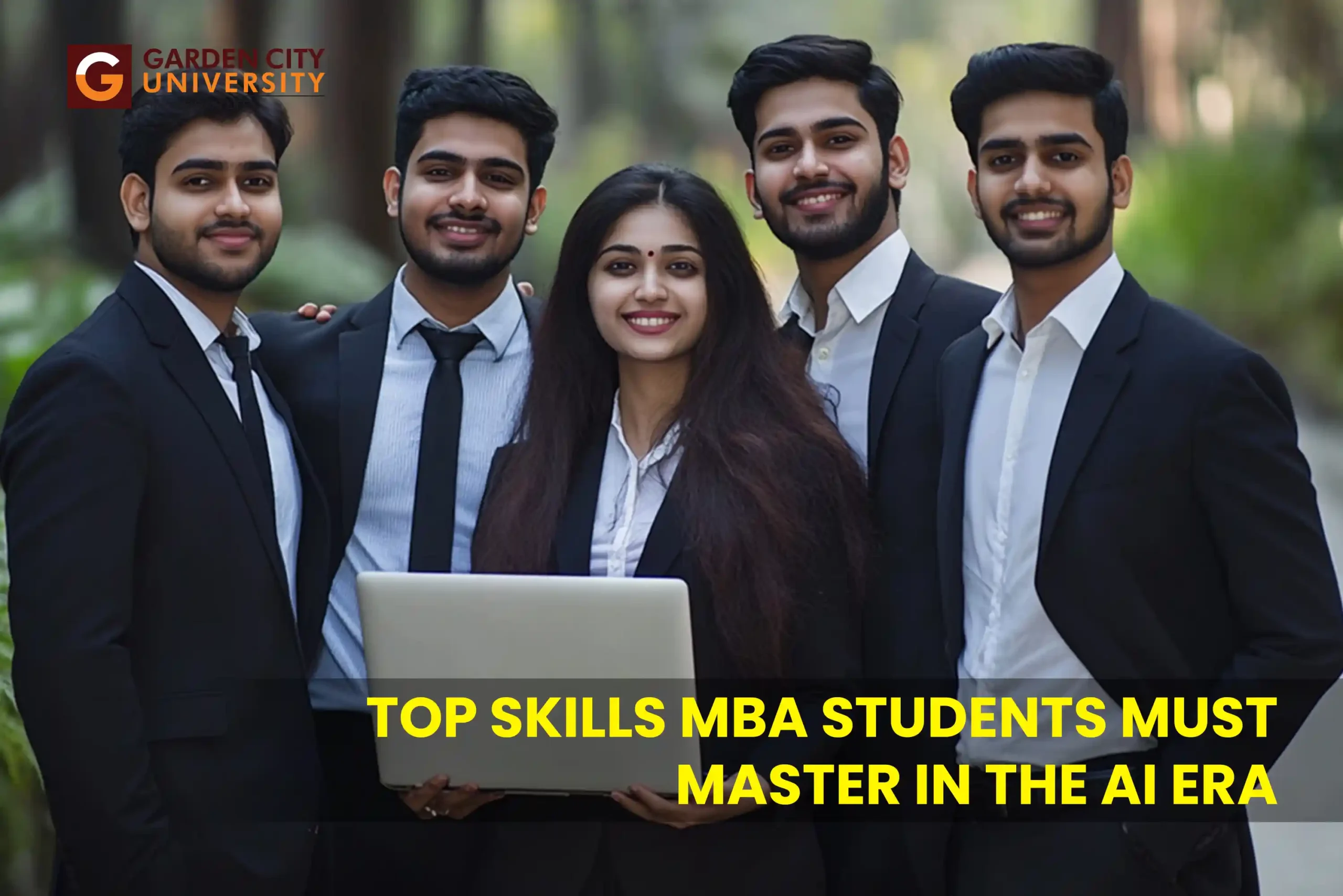
Top Skills MBA Students Must Master in the AI Era

Artificial Intelligence (AI) is rapidly revolutionizing business environments. MBA graduates traditionally pursued careers in finance or consulting fields; however, AI is revolutionizing industries by automating tasks, improving data-driven decision making processes, and creating opportunities in tech sectors. Therefore, many companies now seek graduates with an in-depth knowledge of both strategic AI implications and how best to implement it into core business functions. This guide details the essential skills MBA students must acquire in order to thrive in today’s AI era. By harnessing AI’s potential, MBA students can increase productivity, enhance decision making and emerge as leaders of tomorrow’s digitally transformed organizations. The Evolving Role of an MBA in the AI Era AI has drastically transformed MBA studies. Although an MBA remains an invaluable qualification for any industry, graduates are now expected to work alongside AI systems and interpret their outputs to make informed strategic decisions. Thus, many leading MBA programs now provide AI courses so their graduates are equipped with all of the skills necessary for thriving in today’s ever-evolving workplaces. Combining Business Leadership with AI Competence An MBA with an emphasis in artificial intelligence will equip you with both knowledge and practical experience required to become an effective business leader in today’s ever-evolving landscape. Alongside traditional MBA concepts such as organizational management, leadership and financial analysis, you’ll also learn how to leverage AI technologies for improved operations and strengthened decision-making capabilities. As part of an AI-focused MBA program, in addition to learning technical skills you will also develop critical thinking and communication abilities which will be invaluable no matter your career path. These may include: Advance Data Literacy Businesses increasingly depend on data analytics for strategic decision-making, making it essential that MBA graduates possess advanced data literacy. This requires possessing strong fundamentals knowledge of databases and programming languages as well as being capable of using predictive models to predict trends and business outcomes. Communication Skills Now more than ever before, MBA students need strong verbal and written communication skills in order to succeed. This means being able to articulate complex ideas clearly while effectively conveying information across teams or levels within an organization. Ethical Decision-Making An integral component of an MBA education is developing an ethical perspective on technology use within business. This means being able to assess and mitigate any associated risks from AI systems; this can be accomplished through studying ethics, taking a collaborative approach to problem-solving, or participating in leadership development activities. Negotiation skills are also a core element of leadership development programs, and AI cannot fully comprehend or convey cultural nuances or negotiate effectively with stakeholders. It requires empathy and an awareness of cultural differences which can be gained from travel or leadership development programs. Study MBA at Garden City University, Bangalore In order to lead in today’s rapidly changing business environment, future leaders require an MBA course that not only teaches classic management concepts but also involves the future of business. Garden City University (GCU), Bangalore provides a Master of Business Administration (MBA) course that blends academic rigor with industrial applicability. The curriculum combines modern subjects like data analytics, business AI, leadership ethics, and international business strategy. With intense industry connections, project-based learning, and mentorship from experienced faculty, GCU prepares its students with the skills to lead in AI-enabled workplaces in industries. Conclusion The emergence of artificial intelligence is transforming the business environment, and MBA students need to transform with it. By acquiring a mix of technical, analytical, and interpersonal skills, MBA students today can spearhead innovation, impact strategic choices, and negotiate the moral dilemmas of the future business environment. Courses such as the MBA at Garden City University see to it that alumni not only know these changes but are also equipped to lead through them. It is now time to invest in your future — where business intelligence meets AI intelligence.

accounting certifications

Accounting Certifications That Boost Your Global Career

Becoming certified can be an invaluable way to demonstrate to potential employers that you possess the necessary skills and experience they are searching for in employees. However, when choosing a certification it’s essential that it fits in with your career goals and professional aspirations; otherwise it could have unintended repercussions such as lower earnings potential or less desirable job titles. Popular Certifications in the Accounting and Finance Field For maximum success in attaining your desired credentials, it’s wise to review your goals and the role that you want to fill within accounting or finance. Some popular certifications in these fields include Certified Public Accounting (CPA), Certified Management Accounting (CMA), Chartered Global Management Accountant (CGMA), Financial Risk Manager and Certified Financial Planner. These credentials are designed to give professionals an in-depth knowledge of accounting principles and best practices, making them a fantastic way to advance careers both as graduates or seasoned professionals. In addition to improving knowledge in this field, gaining one will boost resumes while potentially earning additional income. Accounting Certifications That Will Expand Your Global Career (ACCA) For finance and accounting professionals seeking to broaden their employment options globally, an internationally-recognized qualification like ACCA may be an ideal way to do just that. Employers in over 180 countries accept it, giving ACCA-qualified professionals an edge over other applicants and opening doors to diverse career options within accounting. As part of your pursuit for an ACCA qualification, it’s essential that you prepare thoroughly and devote enough time and energy to successfully completing all courses. For assistance in studying, there are various online study resources, such as practice questions and mock exams available online. Furthermore, professional guidance from mentors or coaches is also helpful to avoid common pitfalls and get the best out of certification process. Join study groups or forums with other individuals preparing to take certification exams. These communities can serve as invaluable sources of support and information, while testing your knowledge against others’. Exploring Whether Accounting Is Right for You If you’re unsure whether accounting is right for you, take an accountancy quiz. These tests present scenarios and test ethical decision-making skills, numerical abilities, and communication abilities to provide a thorough assessment of whether it would suit. Once this assessment has been made, discuss it with a recruitment specialist about your career goals and opportunities available to you; they’ll give an accurate picture of how best to advance them and enable you to find which path may work for you best. Study Accounting and Finance at Garden City University, Bangalore If you’re aiming to build a globally recognized career in accounting and finance, Garden City University (GCU), Bangalore offers the ideal launchpad through its B.Com in International Accounting & Finance in association with ACCA (UK). This program is designed to align academic learning with professional certification, enabling students to pursue the globally respected ACCA qualification while earning their degree. With a curriculum mapped to ACCA standards and delivered by industry-experienced faculty, GCU ensures students graduate with both technical knowledge and industry readiness. The university’s strong emphasis on global exposure, practical training, and placement support gives graduates a competitive edge in international job markets. Conclusion Accounting certifications are more than just academic achievements — they are career-defining milestones that can open doors across industries and borders. Whether you’re a student stepping into the field or a professional looking to enhance your credentials, the right certification can boost your knowledge, confidence, and global employability. By choosing a university like Garden City University that combines academic excellence with professional certification pathways like ACCA, you’re setting yourself up for long-term success in the world of finance and accounting.

why learning python

Why Learning Python Is Essential For Data Science Students?

Python is an immensely flexible programming language that can be applied across a range of data science applications. Thanks to its user-friendliness and extensive libraries, it makes an invaluable tool for analyzing data, building models, and creating visual representations of findings. With many tools and resources – such as open source software libraries – available, learning Python quickly will get you into data science fast! A Strong Foundation for Aspiring Data Scientists Many aspiring data scientists mistakenly believe they must know all of the latest programming languages to succeed as data scientists, when in reality Python provides a great foundation. One of the most stable programming languages available, Python continues to adapt as data science evolves. Future-Proofing Your Skills with Python Python will remain relevant in the near future and is an excellent way for those interested in entering data science to do so. Furthermore, learning Python will enable you to grasp other data science applications like machine learning, natural language processing and image processing more easily. The Interdisciplinary Nature of Data Science Data science is an interdisciplinary field requiring expertise in programming, statistics and data visualization. Programming allows data scientists to manipulate and analyze datasets while statistics provides the framework for evaluating and quantifying them. Data visualization offers another dimension by making insights easily understood to communicate insights to decision-makers and encourage better decision making processes. Getting Started with Python: Learn and Practice Learning these skills may seem intimidating at first, but there are numerous resources available to you to get you started. Beginner-friendly courses and online tutorials provide you with a basic introduction to Python such as variables, data structures, and coding principles. Once you’ve acquired those fundamentals it’s essential to practice by engaging in hands-on coding challenges which will develop problem-solving abilities while adding projects to your portfolio. Key Python Libraries for Data Science Python offers numerous key libraries for data science, including pandas, Scikit-learn, TensorFlow and Matplotlib – open-source high performance libraries designed to manipulate and analyze large datasets quickly and efficiently while performing complex statistical calculations or training neural networks. By taking advantage of Python libraries you will complete data analysis tasks faster and more efficiently than other languages. Community Support and Learning Resources One advantage to why learning Python is highly recommended is its expansive community, making it easier to find answers when you run into trouble and taking advantage of a wide array of online resources to speed up and facilitate your progress. The Importance of Communication in Data Science Data scientists must be able to effectively communicate their insights to their audience. This requires strong written and verbal communication skills as well as the ability to explain complex topics so non-technical audiences can easily comprehend. Additionally, data scientists must work effectively within diverse teams. Build Your Data Science Career at Garden City University, Bangalore If you’re serious about pursuing a career in data science, AI, cyber security, or cloud computing, the first step is enrolling in the right academic program. At Garden City University, Bangalore, we offer a wide range of future-ready courses that incorporate Python as a core skill: B.Sc. in Data Science and Cyber Security M.Sc. in Data Science and Analytics M.Sc. IT (AI & ML) / Data Science & Cloud Computing Each program is designed with a strong industry focus, practical hands-on training, and access to real-world tools and technologies. You’ll learn from expert faculty and gain skills in Python, machine learning, cloud platforms, and cyber security — preparing you for successful roles in the tech industry. Ready to start your journey? Choose a program that sets you up for success. Choose Garden City University, Bangalore — where data science careers begin with Python.

emerging it technologies

AI, ML and Blockchain: Emerging IT Technologies

Emerging technologies in today’s digital world are reshaping industry, redefining jobs, and changing the way people live and work. These technologies, which automate complex tasks and create secure digital ecosystems, are at the core of innovation. This blog explores the most significant new IT technologies, such as blockchain, machine learning, artificial intelligence (AI), and others, and how students can get ready for tech jobs by enrolling in courses that cover these topics. Artificial Intelligence (AI): Powering Smart Solutions AI refers to the simulation of human intelligence in machines. It allows systems to learn, reason, and solve problems. Technology has already become part of our daily lives, whether it is smart assistants such as Alexa or AI-powered search engines. Healthcare, Retail, Manufacturing, and Logistics all use AI to improve user experience, optimize operations, and predict outcomes. The demand for AI developers, neural networks and algorithm designers is high across the world. Machine Learning (ML), the Engine of Predictive Analytics Machine Learning is a subset within AI. It involves building systems that get better with time. From Netflix recommendations to Fraud detection in banking, ML helps businesses make smarter decisions without human intervention. Courses in ML cover data analysis, statistical modelling, supervised/unsupervised learning, and deep learning — all crucial for aspiring data scientists and AI engineers. Blockchain Technology: Enabling Trust In A Digital World Blockchain is best known as the decentralized ledger that powers cryptocurrencies such as Bitcoin. But its real-world applications go beyond cryptocurrency. Blockchain is now used in supply chain tracking, digital health records, identity verification, and other systems to ensure security, transparency, decentralization, and more. Blockchain-related certifications and electives are becoming more popular among students interested in cybersecurity, decentralized apps, fintech and blockchain. Cloud Computing: A Scalable and Flexible IT infrastructure Cloud computing allows organizations and users to access computing resources on demand via the Internet. Cloud platforms such as AWS and Microsoft Azure or Google Cloud can support anything from simple analytics to storage. Cloud skills are becoming more important as remote working and Digital Transformation become more popular. The courses in this area focus on Cloud architecture, Deployment models, Security, and DevOps Integration. This offers lucrative career opportunities in system administration and cloud engineering. Internet of Things: Smart Devices for a Smarter World IoT is a technology that connects physical devices with the internet. This allows them to exchange and collect data. IoT makes systems more intelligent, efficient and responsive. Students who are interested in IoT will learn about embedded systems, sensor technology wireless communication and real-time processing. It opens career opportunities in automation, smart city planning, and industrial engineering. Quantum Computing: Computing Beyond Limits Quantum computer, though still in its infancy stage, is poised for revolutionizing industries by solving issues that conventional computers cannot. It uses qubits in place of binary bits. This allows for processing on unimaginable scales. Students who are interested in this new leap are offered introductory courses on quantum algorithms, quantum mechanics and computational theory. Study IT-Focused Programs at Garden City University, Bengaluru Garden City University in Bengaluru has cutting-edge courses that are tailored to the digital age. B.Sc. Data Science Learn core concepts in data analytics, ML, AI, and big data tools Hands-on projects using Python, R, and SQL Prepares students for roles like data analyst, ML engineer, data scientist BCA (Bachelor of Computer Applications) Strong foundation in programming, cloud, cybersecurity, and mobile app development Exposure to AI, ML, and IoT modules Ideal for careers in software development, IT services, and product engineering B.Sc. Information Technology Focus on networking, system administration, web technologies, and IT infrastructure Learn emerging topics like cybersecurity and blockchain fundamentals Designed for roles in IT support, system management, and tech consulting M.Sc. Data Science / M.Sc. IT Advanced specialization for postgraduates in analytics, cloud computing, and AI Includes capstone projects and industry collaborations Prepares students for research, consulting, and leadership roles in IT These programs are designed to bridge academic knowledge with real-world application, helping students stay ahead in today’s tech-driven job market. Conclusion The world is moving fast, and emerging IT technologies are leading the charge. Whether it’s AI transforming healthcare, blockchain disrupting finance, or IoT powering smart homes, the demand for tech-savvy professionals is only going to grow. You can join this exciting revolution by choosing the right academic pathway at Garden City University in Bengaluru. GCU’s future-ready programs and expert faculty are backed by a strong network of industry professionals. This allows students to lead and innovate in the technology world.

molecular genetics

How Molecular Genetics Is Revolutionizing Modern Healthcare

In recent years, molecular genetics has emerged as a game-changer in modern healthcare. The integration of genetic insights in clinical practice has transformed the way doctors diagnose and treat illness. The future of medicine will become more precise, personal and proactive as we unlock the secrets in our DNA. This blog explores how molecular genetics is changing the landscape of healthcare and why it is an excellent career choice for those aspiring to be life science professionals. What is Molecular Genetics? The study of the structure and functions of genes on a molecular scale is called Molecular Genetics. It is a branch of biology that studies the structure and function of genes at a molecular level. Scientists can understand disease states and how cells work by examining DNA and RNA. This field is crucial in many areas of medicine. From understanding inherited diseases to developing targeted cancer therapies, this field has a huge impact. Personalized Medicine: Treating the Individual, not the Average Personalized medicines are one of the most exciting uses of molecular genetics in healthcare. Genetic testing allows doctors to tailor treatments based on a patient’s genetic profile. As an example: Genetic testing can be used to determine the most effective chemotherapy for cancer patients. Early prevention is possible for people with a predisposition genetically to certain diseases, such as Alzheimer’s or breast cancer. This personalization improves the likelihood of success in treatment and reduces adverse effects. Diagnose diseases faster and more accurately Effective treatment depends on an accurate and early diagnosis. The development of advanced diagnostic tools based on Molecular Genetics allows for the detection of diseases in their earliest stages, even before symptoms are visible. Now, genetic tests are available. Newborn screening can identify inherited disorders. By analyzing the pathogens’ genetic material, you can detect infectious diseases such as HIV or COVID-19. Diagnose rare genetic disorders previously difficult to diagnose. The right treatment can be given to patients at the right moment, improving their outcomes and even saving lives. Gene Therapy: Hope for Genetic Disorders Gene therapy is a new and exciting outcome of molecular genomics. Gene therapy is a way to fix the genetic defects causing disease, rather than treating symptoms. Some examples of gene therapies include: Treatment of spinal muscular atrophy among infants Correction of gene mutations that cause certain types blindness. Explore cures for blood diseases like hemophilia and sickle cell disease. Although still in its infancy, gene therapy is a promising way to cure many diseases that are currently incurable at the genetic level. Pharmacogenomics: Reduced trial and error in drug prescriptions Pharmacogenomics, an offshoot from molecular biology, studies how genes influence a person’s response to medication. This allows doctors to prescribe drugs which are likely to be safe and effective for an individual. This is the approach: Reduces side effects. Treatment is accelerated. Avoid ineffective drugs to reduce costs. This is a great example of how the use of genetics can lead to a more patient-centred and efficient healthcare system. The role of Molecular Genetics for Preventive Healthcare In addition to treatment, molecular genetics plays an important role in preventive healthcare. Doctors can use genetic risk factors to recommend lifestyle changes, early intervention, and screenings. This proactive approach can be particularly helpful in managing chronic diseases like diabetes, heart problems, and certain types of cancer. It improves quality of life while reducing healthcare costs. Study Molecular Genetics and Biotechnology at Garden City University, Bengaluru Healthcare continues to change, so professionals with backgrounds in molecular biology and biotechnology will be in high demand in research laboratories, pharmaceutical companies and hospitals. Consider pursuing a degree in biotechnology at Garden City University, Bengaluru, if you are passionate about genetics. GCU’s cutting-edge laboratories, highly qualified faculty and industry connections will equip you with the knowledge and skills needed to succeed in this dynamic field. FAQs About Molecular Genetics and Its Role in Healthcare What is molecular biology and why is it so important to healthcare? The study of gene functions and genetic diseases at the molecular scale is called Molecular Genetics. It is crucial in healthcare as it can help diagnose genetic diseases and develop targeted treatments. What role does molecular biology play in personalized medicine? The use of molecular genetics by doctors allows them to examine a patient’s genome to determine their response to certain treatments. This allows for more effective and personalized healthcare. Can molecular genetics help in preventing diseases? By identifying genetic factors early, healthcare providers can recommend preventive actions such as lifestyle modifications, regular screenings or medications to reduce the risk of certain diseases. What are some of the real-world applications for molecular genetics in hospitals? Some of the key applications are genetic testing for inherited disorders, cancer genomics and newborn screening. Pharmacogenomics (drug reaction analysis) and infectious disease diagnosis (e.g. COVID-19-PCR testing) are also important. What are the best places to study molecular biology or biotechnology in India? You can study M.Sc. Molecular & Human Genetics With Specialization In Clinical Embryology at Garden City University, Bengaluru. GCU provides industry-relevant courses, advanced labs, and hands-on experience to prepare students for careers as researchers, healthcare professionals, or pharmaceuticals. Final Thoughts Molecular genetics goes beyond science. It’s the driving force behind many of today’s most innovative innovations in healthcare. Genetic science has a profound impact on our lives. From personalized therapies to revolutionary therapies, it is changing the world every day. Enroll at Garden City University in Bengaluru to begin your career in molecular and biotechnology.

careers in biotechnology

Top Careers in Biotechnology You Can Pursue After Graduation

Introduction Biotechnology is an area that is rapidly developing at the intersection between biology, technology and innovation. Biotechnology has revolutionized industries such as agriculture, healthcare, environmental science and industrial processing. Biotechnology is more in demand and diverse than ever. This field is an excellent choice for graduates with a passion for science and a desire to make a positive impact on society. This blog will explore the careers that are available in biotechnology after graduation and show you how to get started. 1. Biomedical Engineer Biomedical engineers use principles from biology and engineering in order to create equipment, devices and software for healthcare. They play an important role in improving the patient’s outcomes, from developing artificial organs to designing advanced prosthetics and diagnostic machines. Skills Requirement: Background in biology, engineering, and problem solving. Industries: Healthcare, medical device companies, hospitals, and research labs. 2. Clinical Research Associate (CRA) CRA’s are involved in the management and monitoring of clinical trials for new treatments and drugs. They collect data and ensure compliance with regulatory requirements. Skills Required: Strong communication, attention to detail and knowledge of regulatory guidelines. Industries: Pharmaceutical companies, CROs, regulatory agencies. 3. Biotechnologist Biotechnologists are involved in a wide range of industries, developing products and technologies to improve the quality of life for humans. Biotechnologists use living organisms for biofuels and genetically modified crops. They also create vaccines. Skills Required: Molecular Biology, Genetic Engineering, Lab Techniques. Industries: Agriculture, Pharmaceuticals, Environmental Conservation, Food Technology. 4. Bioinformatics specialist Bioinformatics is a sub-field that has become increasingly important as big data plays a greater role in science. Here, professionals use software and statistical tools to analyze biological data. Skills Required: Programming (Python, R), data analysis, and molecular biology. Industries: Genomics, drug development, personalized medicine. 5. Quality Control Analyst The quality control analyst ensures that biotechnological products meet standards and are safe to consume or use. This is a critical role in the pharmaceutical industry and product development. Skills Required: Documentation, regulatory knowledge, and analytical chemistry. Industries: Pharmaceutical companies, food technology, cosmetics. 6. Environmental Biotechnologist Environmental biotechnologists are focused on the development of sustainable solutions such as waste management, pollution controls, and renewable energy generation using biological processes. Skills Required: Environmental science, microbiology, and bioprocessing. Industries: Government agencies, NGOs, environmental consultancies. 7. Biotech Entrepreneur A biotech entrepreneur is a great career choice if you are innovative and passionate about solving real-world issues. You can either start your own biotech company or work to develop disruptive technologies. Skills Required: Leadership, business acumen, and scientific innovations. Industries: Startup ecosystems, incubators, and R&D centres. 8. Professor of Biotechnology or Academic researcher A career in biotechnology research or education is an excellent option for those who are interested in teaching. You can work on cutting-edge research projects and contribute to the development of the next generation. Skills Required: Deep subject knowledge, academic writing, mentoring. Industries: Universities, research institutes, and policy think tanks. Why choose Garden City University in Bengaluru for a career in Biotechnology? If you want to begin your career in biotechnology, Garden City University in Bengaluru is the perfect place for you. GCU offers a broad curriculum, modern laboratories and strong industry partnerships to equip students with theoretical and practical knowledge. The university’s focus on innovation, research and entrepreneurship helps prepare graduates for diverse career opportunities in biotechnology in industry, academia or beyond. At Garden City University, students benefit from a strong industry connect that bridges academic learning with real-world experience. Through collaborations with leading biotech companies, research labs, and healthcare organizations, GCU ensures that students gain practical exposure through internships, live projects, industrial visits, and expert guest lectures. This industry integration not only enhances employability but also keeps students updated with the latest trends and innovations in biotechnology, making them industry-ready from day one. Conclusion Biotechnology is a vast field that has a huge impact and is constantly changing. Biotechnology offers a wide range of career paths that can lead to growth, innovation and social contribution. You can choose to manage clinical trials or work in laboratories, or even you can start your own biotech company. Start your journey towards a rewarding career. Study Biotechnology at Garden City University in Bengaluru and discover a new world of opportunities.