Challenges Faced by PhD Students and How to Overcome Them

Pursuing a Ph.D. is an exciting yet demanding journey that tests a student’s resilience, dedication, and ability to manage multiple challenges. While doctoral studies offer the opportunity to become an expert and contribute original knowledge to a field, Ph.D. candidates often face several mental, academic, and practical hurdles that can impede their progress and well-being. Understanding these challenges and adopting effective strategies to overcome them is crucial for a successful and fulfilling Ph.D. experience. Common Challenges Faced by Ph.D. Students 1. Isolation and Loneliness Ph.D. research can be a solitary endeavor, leaving students feeling disconnected from peers and support networks. The lack of regular social interactions can contribute to feelings of loneliness and impact mental health. 2. Time Management Difficulties Balancing research, coursework, teaching responsibilities, and personal life demands strong time management skills. Many Ph.D. students struggle to meet deadlines while maintaining quality in their work. 3. Financial Pressures Limited funding and the competitive nature of securing scholarships or grants cause financial stress for many students, which can distract from their research focus. 4. Supervisor Relationship Issues Disagreements or misalignment with supervisors can create conflict and hinder academic progress, causing frustration and delays. 5. Academic and Publication Pressure Ph.D. candidates are under constant pressure to produce original and publishable research, which can lead to stress, self-doubt, and fear of failure. 6. Mental Health Concerns High levels of stress, anxiety, and symptoms of depression are prevalent among Ph.D. students, exacerbated by imposter syndrome and workload intensity. Strategies to Overcome Ph.D. Challenges Build a Support Network Engage actively with peers, mentors, and supervisors. Attend academic seminars, workshops, and social events to create a community that understands the Ph.D. journey. Develop a Realistic Schedule Use effective time management techniques such as goal-setting, the Pomodoro technique, and prioritizing tasks to maintain balance and productivity. Seek Financial Aid and Opportunities Explore teaching assistantships, research grants, and part-time roles related to your field to ease financial burdens without compromising research. Maintain Open Communication Regularly discuss your expectations and progress with your supervisor. Address conflicts early to find constructive solutions. Focus on Mental Wellness Prioritize self-care, take breaks, and seek professional help if needed. Practice mindfulness, exercise, and hobbies outside of academia to reduce burnout. Embrace Failure as Learning View setbacks as growth opportunities. Consult peers and advisors for feedback and maintain resilience throughout. Why Choose Garden City University for Your Ph.D.? Garden City University (GCU), Bangalore, offers an enriching Ph.D. program designed to cultivate global research skills and knowledge aimed at solving real-world problems through impactful and transdisciplinary research. GCU encourages scholars to engage in research beneficial to society, policymakers, and industry practitioners, with opportunities extending beyond publications to patents and market applications. Ph.D. scholars at GCU benefit from a vibrant academic environment with access to expert supervisors across diverse disciplines including management, life sciences, computational sciences, media studies, psychology, and more. The university’s emphasis on collaboration, innovation, and real-time problem-solving equips students with practical competencies to excel in their careers. By joining GCU, Ph.D. students gain access to academic mentorship, cutting-edge infrastructure, a strong research community, and opportunities for interdisciplinary projects, all within the dynamic and entrepreneurial city of Bangalore. FAQ How can Ph.D. students manage stress effectively? Prioritize self-care, set realistic goals, take breaks, and seek support from peers or professionals to manage stress during the Ph.D. journey. What should I do if I have conflicts with my supervisor? Communicate openly about the issues, seek mediation if necessary, and try to establish clear expectations and goals for your research work. How important is time management in completing a Ph.D.? Extremely important. Efficient time management helps balance research, coursework, and personal life, preventing burnout and ensuring steady progress. Can financial challenges affect a Ph.D. student’s performance? Yes, financial stress can distract from research focus. Exploring scholarships, grants, and assistantships can alleviate financial burdens and support academic success. Why is Garden City University a good choice for pursuing a Ph.D.? GCU offers a supportive research environment with expert faculty, interdisciplinary opportunities, access to resources, and emphasis on impactful, real-world solutions. For those embarking on or continuing their Ph.D. journey, Garden City University, Bangalore, stands out as an excellent institution that fosters academic excellence, innovation, and practical research skills, providing a strong foundation for future success.

future of robotics

Future of Robotics Engineering in India and Abroad

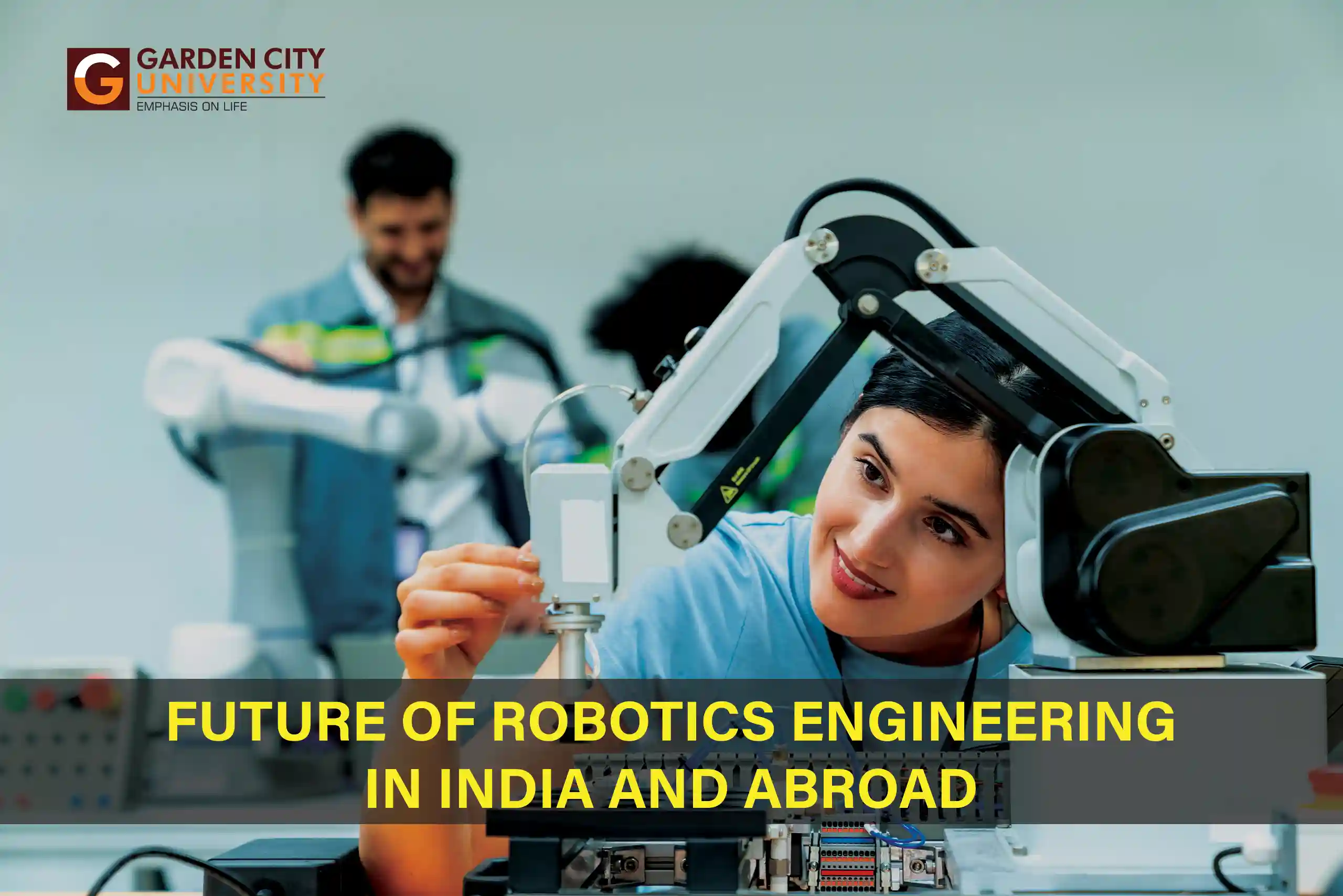
The future of robotics engineering is very promising both in India and abroad, with rapid technological advancements, growing industry adoption, and expanding career opportunities. India is emerging as a significant player in robotics, supported by government initiatives, increasing automation use, and expanding startup ecosystems. Globally, countries like the USA, Germany, Japan, and South Korea lead in robotics innovation, providing students and professionals with high-end research facilities and diverse career paths. The Bachelor of Technology (B.Tech) in Robotic Engineering at Garden City University Bangalore offers a comprehensive, industry-driven curriculum to prepare students for this vibrant field. The Future of Robotics Engineering in India India is witnessing steady growth in the robotics engineering sector fueled by the increased adoption of automation technologies across industries including manufacturing, healthcare, agriculture, and logistics. Currently, automation usage in Indian workplaces is about 14% and is expected to rise significantly in the coming years. Robotics is finding scope in intelligent systems, artificial intelligence (AI) integration, and process optimization. Licensed private organizations, intelligence agencies, and industries are investing heavily in robotics technology to improve efficiency, precision, and safety. The Indian government’s “Make in India” campaign and digitalization initiatives strongly support robotics development. While challenges like the shortage of skilled manpower and regulatory frameworks exist, the growing startup culture and research institutions are helping overcome these. Robotics engineers in India can expect rewarding career prospects with attractive salaries and opportunities in various sectors like space research, entertainment, medicine, and banking. Global Trends in Robotics Engineering Abroad, robotics engineering is advancing rapidly with integration of AI, machine learning, and the Internet of Things (IoT). Robots today are becoming more autonomous, intelligent, and capable of performing complex tasks in fields such as healthcare, transportation, agriculture, and manufacturing. Countries such as the USA, Germany, Japan, South Korea, Canada, and the UK have leading universities and research centers offering cutting-edge robotics education and exposure to state-of-the-art labs and technology. Studying robotics abroad also provides multicultural experiences, networking opportunities, and high employability in the global job market. Collaboration between academia, industries, and government bodies worldwide is driving innovation, enabling new robotic solutions for real-world problems. B.Tech in Robotic Engineering at Garden City University Bangalore Garden City University offers a robust 4-year full-time B.Tech program in Robotic Engineering designed to equip students with essential knowledge and skills. The curriculum focuses on AI, machine learning, deep learning, TensorFlow, and natural language processing along with core robotic engineering subjects. Students learn about robot kinematics, control systems, sensors, actuators, embedded systems, and robotics programming using Python, C++, and MATLAB. The program prepares graduates to design, develop and maintain robots for diverse industrial applications, making them industry-ready. The university provides modern classrooms, advanced laboratories, a well-stocked library, and a strong faculty team to support quality education. Garden City University’s emphasis on research, innovation, and industry collaboration helps students gain practical exposure and opens pathways for rewarding careers in India and abroad. Why Choose Garden City University for Robotics Engineering? Industry-aligned, comprehensive curriculum with advanced courses in AI and machine learning State-of-the-art infrastructure and laboratories for immersive learning Experienced faculty with domain expertise Strong focus on research, innovation, and entrepreneurship Excellent placement prospects in diverse sectors of robotics and automation Located in Bangalore, a major tech hub providing ample internship and job opportunities Supportive campus environment fostering holistic development FAQ What is the scope of robotics engineering in India? Robotics engineering has a vast scope with growing industry adoption in manufacturing, healthcare, agriculture, and defense sectors. Government initiatives and startups are boosting the robotics landscape. What are the key subjects in the B.Tech Robotic Engineering course at Garden City University? Key subjects include AI, machine learning, deep learning, control systems, robot kinematics, sensors and actuators, embedded systems, and robotics programming. What career opportunities are available after a Robotics Engineering degree? Graduates can work as robotics engineers, automation consultants, AI specialists, research scientists, and in roles related to manufacturing, healthcare, space tech, and defense. How is studying robotics engineering abroad different from studying in India? Studying abroad offers access to advanced research facilities, exposure to global innovation, diverse perspectives, and better networking opportunities, though India is quickly advancing its ecosystem. Why should I choose Garden City University for robotics engineering? Garden City University offers an industry-driven curriculum, modern infrastructure, experienced faculty, and located in Bangalore, it connects students to dynamic industry opportunities. Conclusion Choosing to study B.Tech in Robotic Engineering at Garden City University Bangalore is an excellent step for aspiring engineers. It prepares students thoroughly for an exciting and impactful career in India’s growing robotics industry and the international arena. This blend of quality education, industry exposure, and strong placement support makes Garden City University a recommended destination for future robotics engineers.

master's program

Top Master’s Programs with High Demand in 2026

As 2026 progresses, the pursuit of a master’s degree has become a strategic stepping stone for anyone aiming to advance their career and adapt to rapidly evolving industries. The demand for highly skilled professionals in technology, data science, healthcare, business, and emerging interdisciplinary fields has skyrocketed. Choosing the right master’s program can open doors to lucrative job opportunities, leadership roles, and meaningful contributions in various sectors. This article explores the most promising master’s programs to consider for 2026, based on global trends and industry needs. High-Demand Master’s Programs in 2026 1. Computer Science and Artificial Intelligence With technology evolving at a breakneck speed, a master’s in computer science remains a top choice. Specializations in AI, machine learning, cybersecurity, and software development are especially sought after. Graduates can take roles like software developers, AI specialists, and system architects in tech firms, finance, and consulting. 2. Data Science and Analytics As companies increasingly rely on data-driven decision-making, expertise in data science and analytics is critical. These programs teach skills in big data manipulation, statistical analysis, and predictive modeling, preparing students for careers as data scientists, business analysts, and AI engineers. 3. Healthcare and Life Sciences The healthcare industry is expanding rapidly, with a growing need for professionals in specialized nursing, biotechnology, pharmaceuticals, and health management. Master’s degrees in nursing, biotechnology, and public health offer roles such as nurse practitioners, clinical researchers, and healthcare administrators. 4. Business and Management Master’s in business administration (MBA) with specializations like digital transformation, entrepreneurship, and supply chain management remain highly popular. These programs cultivate leadership, strategic thinking, and innovation skills, creating pathways to managerial positions and consultancy roles. 5. Media Studies and Communication Master’s degrees in Media Studies prepare students for careers in digital media, journalism, advertising, and public relations. These programs focus on communication strategies, media production, digital storytelling, and media management. Graduates gain skills to analyze media trends and create impactful content across multiple platforms, making them valuable in today’s fast-changing media landscape. 6. Interdisciplinary and Emerging Programs Fields like computational linguistics, environmental sustainability, and forensic science are gaining traction. These interdisciplinary programs blend technology and humanities or social sciences, addressing complex modern challenges in innovative ways. Factors Driving Demand for These Programs Technological Advancements: Rapid growth in AI, machine learning, and big data analytics. Global Health Challenges: Increased focus on healthcare innovation post-pandemic. Business Industry Shift: Digital transformation requiring new management competencies. Sustainability and Ethics: Rising importance of environmental sciences and ethical AI. Global Job Market: Increased international mobility and cross-cultural collaboration. Top Career Paths for Master’s Graduates in 2026 AI Engineer, Data Scientist, Software Developer Nurse Practitioner, Clinical Researcher, Health Administrator Business Strategist, Entrepreneur, Supply Chain Manager Financial Analyst, Investment Banker, Economist Environmental Consultant, Forensic Scientist, Computational Linguist FAQ Which master’s programs are most future-proof in 2025? Programs in AI, data science, healthcare, and digital business are expected to remain highly relevant for the foreseeable future. How do I choose the best master’s degree for my career goals? Consider your passions, industry trends, earning potential, and the geographic demand for skills. Are interdisciplinary programs valuable? Yes, they prepare students to tackle complex, real-world problems across multiple fields, enhancing versatility. Can I pursue master’s degrees online or part-time? Many universities offer flexible learning options, but ensure the program offers practical exposure and quality faculty. What role does the university’s reputation play? A university with strong industry connections, experienced faculty, and good placement support can significantly impact career outcomes. Why Pursue Your Master’s Degree at Garden City University, Bangalore? After exploring the high-demand master’s programs available globally, students should consider the outstanding opportunities at Garden City University (GCU) in Bangalore. GCU offers cutting-edge postgraduate programs in Biotechnology, Microbiology, Forensic Science, Data Science, Computational Linguistics, Psychology, and more, designed to meet industry demands of 2025. With expert faculty, modern labs, industry collaborations, and rich academic resources, GCU stands out as a premier destination for building a future-ready career. Students at GCU not only gain strong theoretical knowledge but also practical skills necessary to excel in fast-growing sectors. Choosing Garden City University ensures access to quality education in a conducive environment in Bangalore, India’s expanding education hub. It’s an excellent choice for aspirants seeking specialized master’s programs aligned with market trends

The Rise of Digital Storytelling in Brand Communication

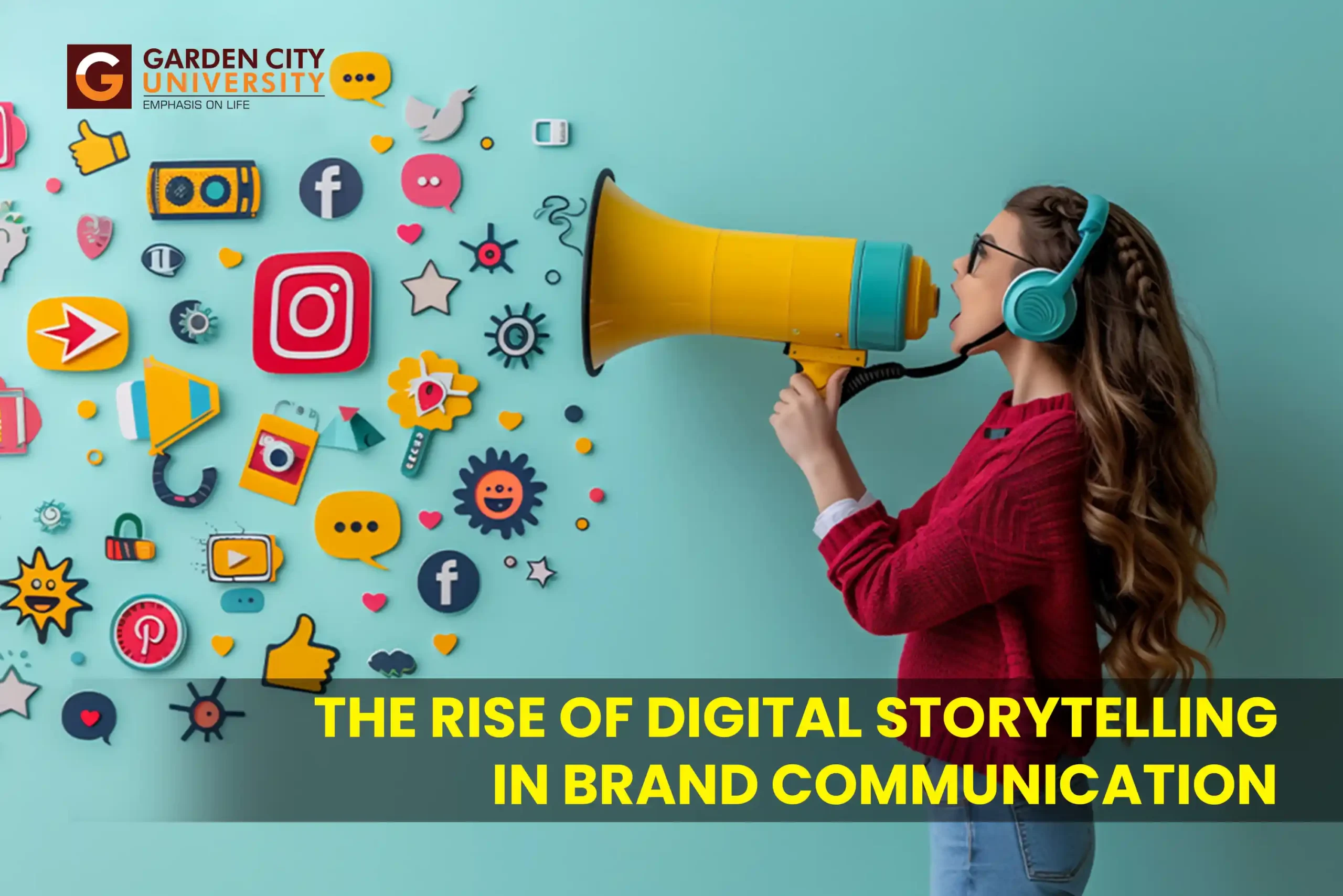
Let’s face it: traditional ads don’t have the same power they used to. Nowadays, people want something more, a story that connects with them personally. Digital storytelling has become the secret sauce for brands looking to build real relationships with their audience. Instead of just shouting about products, brands are sharing narratives that feel authentic, relatable, and even inspiring. In this blog, we will explore why digital storytelling is booming, what tools brands use, and how you can learn this skill to stay ahead in the world of brand communication. 1. What Is Digital Storytelling, Really? At its core, digital storytelling is about telling your brand’s story in a way that feels human. It’s not just marketing jargon or flashy ads; it’s creating experiences through videos, blogs, podcasts, and interactive social posts that make people feel like they’re part of something. When done right, it turns passive viewers into active fans who want to engage and share. 2. Why More Brands Are Choosing Stories Over Ads Everyone’s scrolling through tons of content every day, so standing out is tough. Stories help brands cut through all the noise by being real and memorable. They build trust and give customers a reason to keep coming back. Plus, stories fit perfectly with the conversations people are already having online—whether that’s about culture, values, or everyday life. 3. The Go-To Tools for Telling Digital Stories There’s a whole toolbox for digital storytellers nowadays. Think YouTube and Instagram for videos, podcasts that let you have deep conversations, blogs that dive into details, and fun social media features like polls or live Q&A sessions. And don’t forget the behind-the-scenes stuff—tools that help track what’s working, so brands can fine-tune their stories and reach more people. 4. How Brands Nail Their Storytelling Game It’s not just about creativity; there’s some planning involved too. Successful brands spend time figuring out what message they want to share, who exactly they’re talking to, and where those people hang out online. Then they pick the right formats and keep adjusting based on what the data tells them. It’s a smart mix of art and science. 5. Why You Should Learn Digital Storytelling If you’re aiming to excel in the fields of media, visual communication, or brand storytelling, Garden City University in Bangalore offers specialised programmes that provide a strong professional edge. Their B.A. English & Journalism, M.A. Journalism & Mass Communication, B.Sc. Visual Communication and M.Sc. Visual Communication are designed to blend creative expression with practical training on the latest digital and media tools. With a curriculum aligned to evolving industry demands and the Industry Connect platform, students benefit from direct interaction with professionals, mentorship opportunities, internships, and live projects, ensuring they graduate with both knowledge and real-world skills. FAQ What makes digital storytelling different from regular advertising? Digital storytelling focuses on engaging people emotionally with narratives rather than pushing straightforward ads. Why is storytelling so important for brands today? Because stories build trust and connection in a way that traditional ads can’t. What platforms work best for digital storytelling? YouTube, Instagram, podcasts, blogs, and interactive social features like stories and lives. How can I get started with digital storytelling? Learn about your audience, experiment with video and audio tools, and practice creating engaging content. Will mastering digital storytelling help me find a job? Definitely! Brands want people skilled at connecting with audiences in this digital-first world. Conclusion Digital storytelling isn’t just a trendy phrase—it’s changing how brands connect with people. As brands shift from shouting to sharing, knowing how to craft a good story across digital channels is a game-changer. Whether you’re an aspiring marketer, journalist, or content creator, this skill opens doors to exciting career opportunities. Taking courses at places like Garden City University Bangalore that combine creative storytelling with hands-on digital training can set you up for success in today’s fast-moving media landscape.

hospitality and tourism management

Top Career Paths in Hospitality and Tourism Management

If you love exploring new places, meeting different people, and enjoy helping others to have great experiences, a career in hospitality and tourism management could be perfect for you. With more travellers choosing India as their destination and the country’s tourism sector growing rapidly, there are plenty of exciting opportunities in this field. From managing hotels and resorts to organising tours and events, hospitality and tourism offer a wide range of career paths that blend creativity, management, and service. Let’s explore some of the most popular career options in this vibrant industry. 1. Hotel and Resort Management One of the most sought-after careers in this sector is managing hotels and resorts. If you’re good at multitasking, handling customer needs, and leading teams, this might be for you. Hotel managers take care of everything from guest services and housekeeping to food and beverage operations, ensuring guests have a smooth and enjoyable stay. With luxury tourism expanding, skilled hotel professionals are in high demand across India and abroad. 2. Travel and Tour Management If you love planning trips and want to make travel hassle-free for others, travel and tour management offers a rewarding career choice. Travel managers organise everything from flights and accommodation to sightseeing itineraries. They often work for travel agencies, tour operators, or corporate clients, helping people create memorable travel experiences. India’s rich cultural heritage means there’s a growing need for smart, creative travel planners. 3. Event and Conference Management From grand weddings to international conferences, event management is a dynamic career path within the hospitality field. If you enjoy coordinating details and bringing ideas to life, working as an event manager could be very fulfilling. This role involves everything from organising venues and vendors to marketing events and managing budgets. Events help promote tourism and create buzz around destinations, making this a vital sector. 4. Cruise and Airline Hospitality Do you love the idea of working on the move? Careers in airlines and cruise ships are ideal for those who enjoy travel and providing exceptional customer service. Roles can include cabin crew, hospitality officers, or management positions that ensure passengers have safe and comfortable journeys. These jobs combine adventure with professional service in exciting, multicultural environments. 5. Tourism Marketing and Promotion Behind every fantastic travel destination is a great marketing team. Tourism marketing professionals promote spots through digital campaigns, social media, advertisements, and partnerships. If you’re creative and interested in how brands tell their stories to attract visitors, this area is worth exploring. Tourism marketing blends storytelling, research, and strategy to drive interest and bookings. Why Study Hospitality and Tourism Management at Garden City University? Garden City University in Bangalore offers robust programs designed to prepare students for the diverse world of hospitality and tourism management. If you’re interested in exploring various career options, their B.Com Tourism and BBA Tourism courses offer a solid foundation in both commerce and management aspects of tourism. For those leaning towards hotel operations, the Bachelor of Hotel Management provides hands-on training in managing hospitality services. Beyond academics, the university’s Industry Connect initiatives give students direct access to internships, workshops, and mentorship from leading professionals, helping bridge the gap between classroom and career. FAQ What skills will I gain from hospitality and tourism management courses? You’ll develop communication, leadership, problem-solving, and customer service skills along with industry-specific knowledge. How do B.Com Tourism and BBA Tourism differ? B.Com Tourism focuses more on financial and commerce subjects in tourism, whereas BBA Tourism emphasizes management and leadership skills What career opportunities can I get with a Bachelor of Hotel Management? You can work as hotel manager, front office manager, food and beverage coordinator, or event planner in hotels and resorts. Are internships part of these courses? Yes, practical training and internships with reputed hospitality and tourism firms are a key part of the curriculum. Is the hospitality and tourism sector growing in India? Definitely. India’s focus on boosting tourism and improving hospitality infrastructure has created many job opportunities. Conclusion The world of hospitality and tourism offers a whole range of exciting careers, whether you want to work in hotels, plan amazing travel experiences, or promote destinations through marketing. If you’re looking for practical training and real-world exposure, programs like B.Com Tourism, BBA Tourism, and Bachelor of Hotel Management at Garden City University, Bangalore are a great way to build your skills and confidence. With the university’s focus on industry connections and hands-on learning, you’ll be well prepared to take on the dynamic and growing hospitality sector in India.

media tools

Top Media Tools Every Content Creator Should Master

If you’ve ever dreamed of creating content that grabs attention and makes an impact, you probably know it’s not just about snapping pictures or writing posts. These days, content creation means using the right tools to tell your story in the most effective way possible. Whether you want to be a journalist, YouTuber, podcaster, or social media creator, knowing which media tools to use and how to use them can make all the difference. In this blog, we’ll look at some of the most important media tools every content creator should get comfortable with and why studying journalism and media at Garden City University in Bangalore can give you a head start. 1. Tools for Creating and Editing Content The first step in content creation is making your content shine. That means learning how to use video editors like Adobe Premiere Pro or DaVinci Resolve, photo editing apps such as Photoshop or Lightroom, and audio tools like Audacity or Adobe Audition. These might sound complicated at first, but with practice, you’ll be able to polish your videos, photos, and podcasts to a professional standard. If journalism or media studies is something you want to pursue seriously, programs like the M.A. Journalism & Mass Communication at Garden City University give you hands-on experience with these very tools, so you’ll graduate ready to hit the ground running. 2. Social Media and Sharing Platforms Creating great content is only half the job. Getting your work seen by the right people is the other half. Tools like Hootsuite or Buffer help you schedule posts and manage multiple social accounts without losing your mind. Canva is another favourite, it lets you design eye-catching graphics even if you aren’t a pro designer. Learning how each platform works, whether it’s Instagram Reels, YouTube Studio, or LinkedIn’s publishing tools, helps you tailor your content for maximum engagement. Garden City University encourages students to experiment with these platforms during their studies so that they can adapt to wherever the audience is. 3. Analytics and SEO: Knowing What Works Once you start sharing content, it’s important to keep an eye on how it’s performing. Tools like Google Analytics or YouTube’s built-in stats show you things like who’s watching, when, and which content they like best. And don’t overlook SEO tools like SEMrush or Moz; these help you tweak your content so it ranks higher on Google and gets noticed. At Garden City University, learning to decode these numbers and use them to improve your work is part of the curriculum, giving students an edge in understanding their audiences better. 4. Collaboration and Project Management Creating content often means working with others—writers, designers, editors, or marketers. To keep everything running smoothly, tools like Trello, Asana, Slack, or Google Workspace come in handy. They help you organise tasks and communicate clearly without endless emails or missed deadlines. Students at Garden City University get plenty of chances to work in teams using these tools, helping them build skills they’ll need in any media job or project. 5. The New Wave: AI and Automation The media world is changing fast, and AI-based tools are becoming part of every content creator’s toolkit. From automated video editing to captioning services, these tools can save you time and add a professional touch to your work. Knowing how to use these emerging technologies will keep you ahead of the curve. At Garden City University, students get introduced to smart media tools that are shaping the future of journalism and content creation. Why Consider Garden City University, Bangalore? If you’re serious about media and journalism, Garden City University in Bangalore offers more than just theory. Their programmes, such as B.A. English & Journalism, M.A. Journalism & Mass Communication, B.Sc. Visual Communication and M.Sc. Visual Communication combines classroom learning with practical experience, including hands-on training with the latest media tools. The university also organises Industry Connect events, where students meet professionals from top media companies, gain mentorship, internships, and real-world exposure. This kind of industry linkage makes a huge difference when you’re ready to build a career. FAQ What media tools should I learn first as a content creator? Start with basic video and photo editing software, plus social media scheduling tools. Then explore analytics and SEO tools as you grow. Does Garden City University teach practical media skills? Yes! The courses focus on real-life media tools and industry connections, so students get hands-on experience. Can non-media students benefit from learning these tools? Definitely. Skills like content editing, social media management, and analytics are valuable in marketing, business, and many other fields. Are AI tools important for content creation now? They’re becoming essential for saving time and improving quality. It’s good to get comfortable with them early. Will mastering these tools help me get a job in media? Absolutely. Employers look for candidates who can hit the ground running with these skills, and hands-on training at GCU can help you get there. Conclusion The world of content creation is exciting and competitive, but mastering the right media tools can give you a serious advantage. Whether you’re passionate about journalism, storytelling, or digital media, learning how to create, share, and analyse your content will set you apart. Garden City University in Bangalore offers a comprehensive program that blends theory with practice, industry links, and the latest tools to help you succeed. If you want to turn your creativity into a career, starting your journey at GCU could be the best decision you make.

career in journalism

How to Build a Career in Journalism in the Digital Age

Ever wondered what it’s really like to be a journalist in our hyper-connected world? If you picture old-school reporters scribbling notes while chasing breaking news, you wouldn’t be entirely wrong—but today’s journalism is so much more. The news travels at the speed of a tweet, reporters might go live from a phone, and stories appear across podcasts, YouTube, and websites. If you’re curious about people and love sharing stories, journalism could be your calling. Let’s explore what it takes to make it in this digital-first profession, and why picking the right university, like Garden City University in Bangalore, can make a world of difference. 1. Real-World Reporting Skills Matter Most Let’s get one thing out of the way: being a journalist isn’t just about writing neat sentences. The best journalists are part writer, part researcher, and part tech enthusiast. You’ll quickly find yourself juggling interviews, fact-checking, some basic photography, and learning new software. At Garden City University (GCU), journalism students work on real campus news platforms and practice everything from video reporting to podcasting. If you want to get a sneak peek, check their B.A. English & Journalism or M.A. Journalism & Mass Communication programs. 2. Building a Portfolio: Why “Show, Don’t Tell” Works You know what gets you hired? Not just a degree, but a solid portfolio. Start a blog, shoot a short documentary, or contribute to your student newspaper—these can really help you stand out. Every media company wants proof you’ve handled real assignments. The good news? GCU encourages students to get involved with the campus magazine, radio, and TV station. If you’re the hands-on type, you’ll find plenty of chances to try your skills and build up a collection of actual published work. 3. Making Yourself Visible Online It might sound obvious, but in a digital world, a journalist’s “brand” is their biggest asset. Don’t be shy about sharing your best work online. Upload reports, tweet your commentary, or start a LinkedIn blog. The more you engage with news online, the quicker you’ll be noticed—not just by audiences, but by editors and recruiters too. Spend a little time learning popular tools and platforms. Whether you’re editing video, designing infographics, or tracking analytics, every new skill gives you an edge. 4. Your Network Can Be Your Shortcut In journalism, “who you know” often matters as much as “what you know.” This is where a modern university shines. At GCU, the School of Media Studies has strong partnerships with major news outlets—think NDTV, Times of India, CNN IBN, Zee TV, Ogilvy & Mather, and more. Through their annual Industry Connect event, students meet industry experts, attend masterclasses, and get direct feedback on their work. These connections aren’t just for show—many students find internships and even first jobs through these networking opportunities. 5. Keep Learning, Always News and media habits change all the time—what worked yesterday might not tomorrow. Being open to new ideas, taking online courses, and experimenting with formats (hello, news memes and explainers!) is just part of the gig. At GCU, the curriculum is designed to keep up with industry trends, so students won’t be left behind when the next big thing hits journalism. Why Study Journalism at Garden City University Bangalore? It’s simple. If you’re hungry to learn, GCU offers top-notch, up-to-date courses, supportive faculty, top-level industry links, and loads of hands-on opportunities. Whether you go for the B.A. English & Journalism or the M.A. Journalism & Mass Communication, you’ll graduate ready to take on any newsroom—old or new school. FAQ Do I need a journalism degree to enter this field? Not always, but a good program (like GCU’s) builds solid habits, connects you with professionals, and sharpens your confidence. What are the top skills every aspiring journalist should have? A curious mind, steady writing, digital know-how, and the guts to chase a story—plus, being comfortable on camera and on social media helps a lot. How does GCU help with placements and real-world experience? Industry Connect events, campus media, internships, and tie-ups with top newsrooms mean GCU students aren’t just learning—they’re doing. Will I learn TV, digital, and print reporting at GCU? Yes! You’ll dip your toes into every media stream, so you can figure out what you love most (or do it all). Any tips for starting out while I’m still in college? Write consistently, be social (online and offline), and ask questions. The earlier you build your portfolio, the more employers will take notice. Conclusion Jumping into journalism in the digital age is a wild ride—fast-paced, creative, and rewarding. If you’re thinking about where to start, Garden City University in Bangalore offers everything you need: smart courses, great teachers, industry connections, and a campus that feels like a real newsroom. Want to find out more? Check out their B.A. English & Journalism and M.A. Journalism & Mass Communication pages—and take the first step into the world of digital storytelling.

how to start a business

Entrepreneurship in College – How to Start a Business While You Study

Do you dream of running your own business even before you graduate? For many students, college is no longer just about attending classes and writing exams. Thanks to the booming entrepreneurial spirit across the country, more students are choosing to start businesses during their college years. If you’re wondering how to start a business while still managing your studies, you’re in the right place. Here’s a practical, step-by-step guide tailored to students who want to take that first leap into entrepreneurship without needing a Silicon Valley mindset or global connections. 1. Find the Right Business Idea (Start Small, Think Local) Don’t wait for a million-dollar idea or something that’s never been done before. The best student businesses often begin with everyday skills or needs tutoring, selling homemade crafts, organizing on-campus events, or solving a simple local problem. Think about: What are you good at or enjoy (writing, teaching, art, coding)? Is there a local demand on campus or in your community? Can this work alongside your study schedule? Start with a simple approach and test your idea with classmates, family, or friends. 2. Do Your Homework Before you jump in, do some basic research. Look up other student businesses in your college or city. What do their prices look like? How do they reach customers? Try to find something that makes your idea stand out even if it’s better pricing, a unique style, or simply better service. Your research doesn’t need to be complicated. Talk to students, use WhatsApp groups, or run a quick Instagram poll to get real feedback. 3. Make a Simple, Practical Business Plan Forget heavy business jargon. A single-page plan is enough to get started. Write down: What’s your product or service? Who is your customer? Where will your initial money go (supplies, marketing, tools)? How will you make a profit? What’s your monthly goal (number of sales or earnings)? Start small—even ₹500–₹1,000 can be enough for many student projects. 4. Balance Books and Business: Time Management Is Key Balancing classes and your business might feel overwhelming at first. Set realistic goals for both. Use digital tools like Google Calendar, keep your professors informed, and set aside dedicated “business hours.” Team up with friends or classmates to divide tasks. Most universities (including many private colleges) now have entrepreneurship cells or clubs to help you manage both worlds. 5. Use Campus Resources (Incubators, Clubs, and Events) Many colleges have dedicated entrepreneurship cells, innovation labs, and incubation centers where you’ll find mentorship, networking, seed funding, and even help registering your business. Attend campus hackathons, business plan competitions, or fests to showcase your ideas and get feedback. Don’t hesitate to seek out a faculty mentor, they can introduce you to important contacts. 6. Leverage Low-Cost Tools for Promotion Post on Instagram, WhatsApp status, or Telegram groups. Print basic posters and put them up in hostels or mess areas. Offer “Refer and Earn” deals. Students love a good deal! Collaborate with other student entrepreneurs for cross-promotion. Accept payments easily with UPI or payment apps (PhonePe, Google Pay, Razorpay). 7. Take Advantage of Government & University Support Student entrepreneurs in India have access to several government schemes, such as Startup India, TIDE 2.0, or incubation grants. Find out if your college is registered with an official Institute Innovation Council (IIC). These provide workshops, funding, and legal support for early-stage startups. Why Consider Garden City University, Bangalore for Student Entrepreneurs? Garden City University (GCU) in Bangalore is a great place for student entrepreneurs who want more than just classroom learning. Through initiatives like their flagship Industry Connect’25 event, GCU connects students with industry leaders and experts, offering valuable networking and mentorship opportunities. The university strongly supports entrepreneurship with incubation centres, real-world problem-solving projects, and regular innovation competitions, helping students gain practical experience in building and running ventures. With a focus on blending academics and hands-on learning across its various schools, including Commerce, Management, and Media Studies, GCU empowers students to turn their business ideas into reality while still studying. FAQ Is it legal for Indian students to start a business during college? Yes! There are no rules stopping students from starting small businesses. For large-scale operations, you may need registration—check with your college’s entrepreneurship cell for help. What is the best business to start while studying? Choose something flexible—like tutoring, online services, reselling products, or skills you’re confident in. The best business is one you can manage alongside your course. What college resources can help me start up? Look for entrepreneurship cells, incubators, innovation labs, or alumni networks. Many colleges now offer mentorship, access to funding, and workspace for student entrepreneurs. How much money do I need to start? Often less than you think! Many student businesses start with ₹500–₹1,000 and free tools for marketing and payments. Focus first on validating your idea before investing more. How do I promote my business without much funding? Use free digital tools—social media, WhatsApp, Telegram, or spreading the word through friends and campus groups. Consistency and engagement matter more than money in student circles. Conclusion Starting a business in college as a student isn’t just doable, it’s one of the best ways to learn life skills, earn money, and build networks that last long after graduation. Begin with a simple idea, use your local network and college resources, stay focused on your studies, and don’t be afraid to make mistakes. If your college has innovative programs or incubation centers, make the most of them—you’ll learn much more than any textbook can offer. Ready to take your first step in entrepreneurship? Don’t wait for the “perfect” time, start small, test ideas, and let your college years be your entrepreneurial launchpad!

psychology students

How Psychology Students Are Making a Difference in Corporate Workspaces

Psychology is no longer limited to clinics and counseling suites—today it’s having a forceful influence on the corporate world. With more companies concentrating on workers’ well-being, motivation, and office politics, psychology students are filling positions where their knowledge of human behavior is an enormous strength. Here’s how psychology students are making valuable contributions to the corporate space and how their skillset has never been more applicable. The Strengths of a Psychology Student As a psychology student, you have become adept at conducting academic research. You understand APA style–introduction, method, results, discussion–and are adept at designing psychological experiments with ease. Furthermore, your ability to relate to others stems from understanding that different people act in different ways with varied motivations for their behaviors; you’re a great listener with the knack for providing thoughtful advice. Empathy and Awareness: The Psychology Student Advantage Your friends depend on you for insight, and you’re often the first one to notice problems in their work or social life. Your empathy led you to pursue this field of study and is the fuel behind your desire to help. Academic Rigor and Passion for Psychology Have you been spending more time in the library than your dorm room, and are adept at writing APA papers and lab reports? Maybe you are also up-to-date with research findings, reading the work of famous psychologists such as Sigmund Freud, Albert Bandura, Ivan Pavlov and Wilhelm Wundt? Applying Psychology in the Corporate World At this point in your college career, you are prepared to embark on new challenges and put your psychology degree to good use. Many are considering graduate programs while others might prefer working in corporate environments. Psychologists can make a considerable contribution to any workplace environment by helping create an atmosphere that inspires employees and offers rewards; additionally they can decrease stress levels while increasing job satisfaction levels. Psychologists can be invaluable assets during the hiring process, by helping identify candidates who will be both happy and productive at work. They can train human resources managers in how to conduct behavioral interviews as well as creating tests for evaluating job applicants. Gaining Experience While You Study Psychology students need practical experience while they complete their degree, so obtaining part-time jobs, summer placements or internships are beneficial in this regard. Many universities even provide a year out in industry as part of the degree, giving students hands-on experience and applying academic knowledge directly in real world settings. When given these experiences psychology graduates become highly effective employees across roles like human resources management or marketing. Study Psychology at Garden City University, Bangalore If you’re passionate about using psychology to make a real-world impact, Garden City University (GCU), Bangalore offers the perfect environment to shape your career. GCU provides multiple psychology-focused programs including Bachelor of Science in Psychology, B.A. in English and Psychology, M.Sc. Psychology, and even a Doctor of Philosophy (Ph.D.) in Psychology. These programs combine academic excellence with industry exposure, practical training, and opportunities for research. With experienced faculty and a strong focus on employability, students gain not only theoretical knowledge but also the skills and confidence to work in corporate, clinical, or research settings. Conclusion Psychology students are uniquely positioned to bring empathy, insight, and analytical thinking into the workplace. From improving team dynamics to influencing hiring strategies, their impact is being increasingly recognized across industries. By choosing the right academic path—such as the programs offered at Garden City University—you can turn your passion for understanding people into a rewarding and meaningful career. The future of work is human-centered, and psychology students are at the heart of it.

mba students

Top Skills MBA Students Must Master in the AI Era

Artificial Intelligence (AI) is rapidly revolutionizing business environments. MBA graduates traditionally pursued careers in finance or consulting fields; however, AI is revolutionizing industries by automating tasks, improving data-driven decision making processes, and creating opportunities in tech sectors. Therefore, many companies now seek graduates with an in-depth knowledge of both strategic AI implications and how best to implement it into core business functions. This guide details the essential skills MBA students must acquire in order to thrive in today’s AI era. By harnessing AI’s potential, MBA students can increase productivity, enhance decision making and emerge as leaders of tomorrow’s digitally transformed organizations. The Evolving Role of an MBA in the AI Era AI has drastically transformed MBA studies. Although an MBA remains an invaluable qualification for any industry, graduates are now expected to work alongside AI systems and interpret their outputs to make informed strategic decisions. Thus, many leading MBA programs now provide AI courses so their graduates are equipped with all of the skills necessary for thriving in today’s ever-evolving workplaces. Combining Business Leadership with AI Competence An MBA with an emphasis in artificial intelligence will equip you with both knowledge and practical experience required to become an effective business leader in today’s ever-evolving landscape. Alongside traditional MBA concepts such as organizational management, leadership and financial analysis, you’ll also learn how to leverage AI technologies for improved operations and strengthened decision-making capabilities. As part of an AI-focused MBA program, in addition to learning technical skills you will also develop critical thinking and communication abilities which will be invaluable no matter your career path. These may include: Advance Data Literacy Businesses increasingly depend on data analytics for strategic decision-making, making it essential that MBA graduates possess advanced data literacy. This requires possessing strong fundamentals knowledge of databases and programming languages as well as being capable of using predictive models to predict trends and business outcomes. Communication Skills Now more than ever before, MBA students need strong verbal and written communication skills in order to succeed. This means being able to articulate complex ideas clearly while effectively conveying information across teams or levels within an organization. Ethical Decision-Making An integral component of an MBA education is developing an ethical perspective on technology use within business. This means being able to assess and mitigate any associated risks from AI systems; this can be accomplished through studying ethics, taking a collaborative approach to problem-solving, or participating in leadership development activities. Negotiation skills are also a core element of leadership development programs, and AI cannot fully comprehend or convey cultural nuances or negotiate effectively with stakeholders. It requires empathy and an awareness of cultural differences which can be gained from travel or leadership development programs. Study MBA at Garden City University, Bangalore In order to lead in today’s rapidly changing business environment, future leaders require an MBA course that not only teaches classic management concepts but also involves the future of business. Garden City University (GCU), Bangalore provides a Master of Business Administration (MBA) course that blends academic rigor with industrial applicability. The curriculum combines modern subjects like data analytics, business AI, leadership ethics, and international business strategy. With intense industry connections, project-based learning, and mentorship from experienced faculty, GCU prepares its students with the skills to lead in AI-enabled workplaces in industries. Conclusion The emergence of artificial intelligence is transforming the business environment, and MBA students need to transform with it. By acquiring a mix of technical, analytical, and interpersonal skills, MBA students today can spearhead innovation, impact strategic choices, and negotiate the moral dilemmas of the future business environment. Courses such as the MBA at Garden City University see to it that alumni not only know these changes but are also equipped to lead through them. It is now time to invest in your future — where business intelligence meets AI intelligence.

Any Queries

Please fill the below form and our representative will get in touch with you at the earliest

Copyright © Garden City University | Developed by Pathway Productions