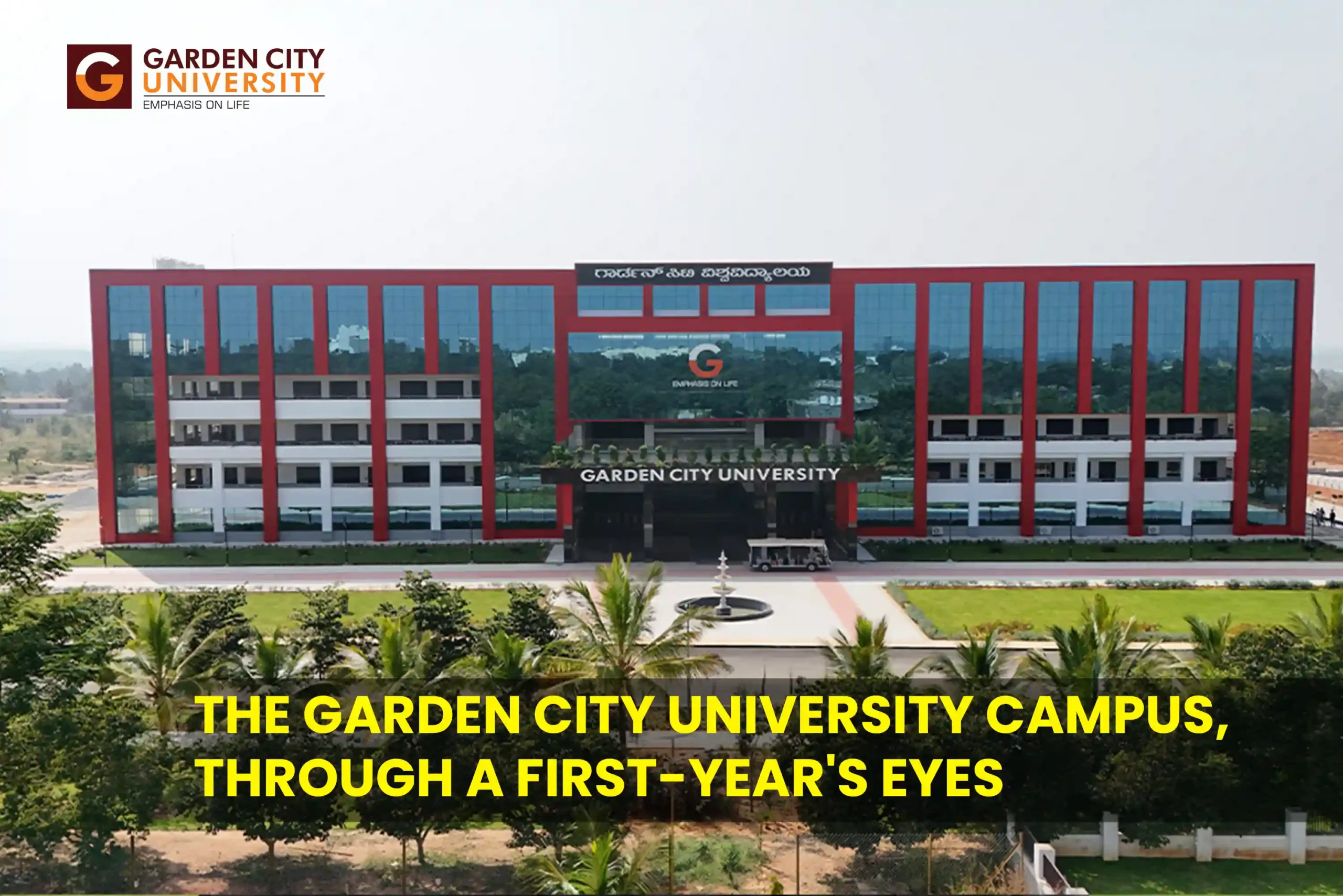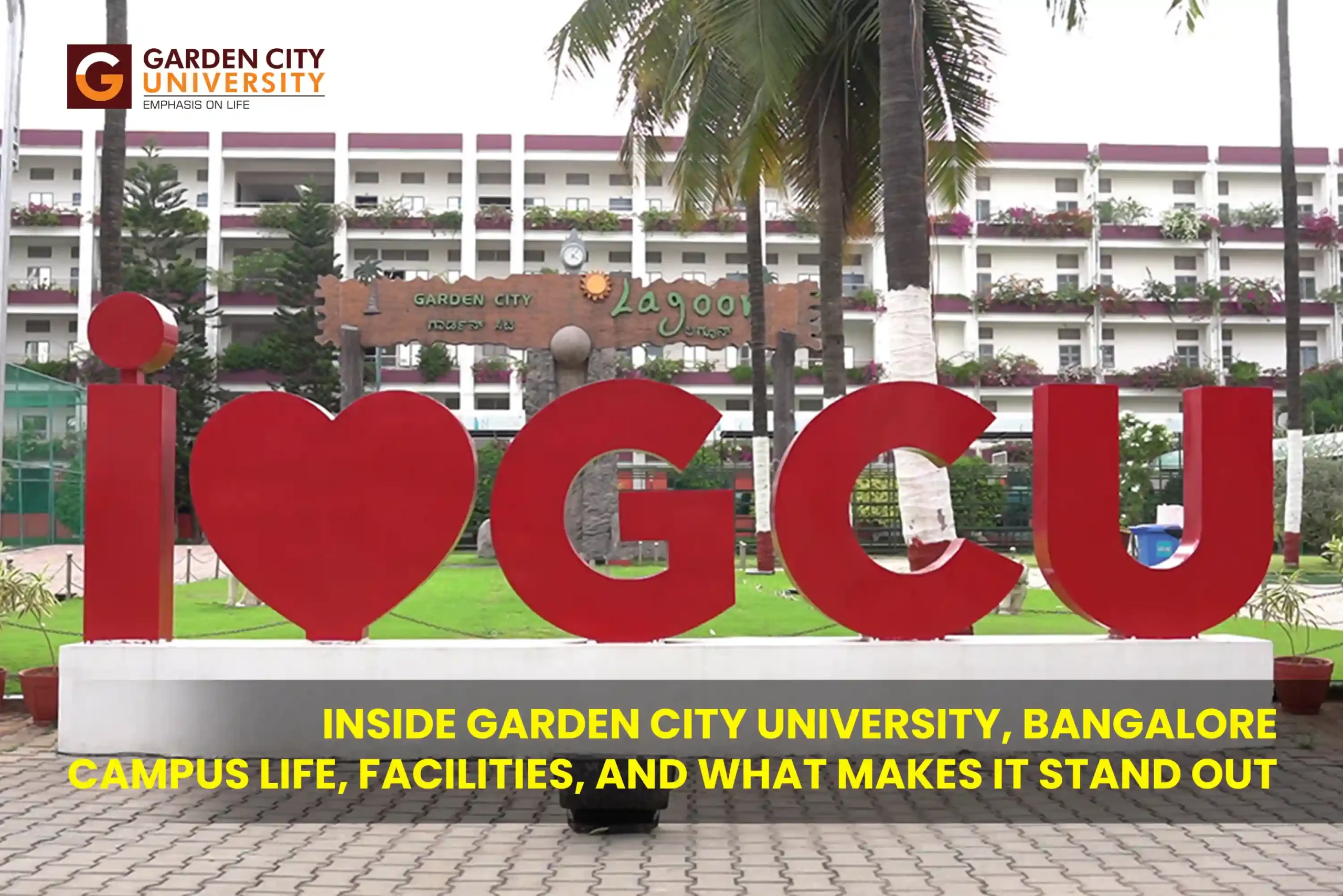
Garden City University campus offers first-year students a mix of green open spaces and modern academic blocks. Residential life shapes daily routine here just as much as classes do. That’s the short version. The longer version is messier and a lot more interesting. No orientation brochure really prepares you for what the first few weeks on a new campus actually feel like. This blog walks through the experience the way a first-year student lives it. Not the polished version colleges usually show, but the real one, with the confusion, the small discoveries, and the moments that end up mattering more than expected. First Impressions of the Garden City University Campus Walking onto the campus for the first time, most students notice the greenery before anything else. It doesn’t feel like the concrete, boxed-in version of a college that a lot of students expect. There’s space to breathe between buildings, benches that actually get used, and a layout that makes it easy to get a little lost in the first week. Honestly, almost everyone does. The place also has a rhythm that takes a few days to notice. Early mornings are quiet. Mid-mornings get busy near the academic blocks. By evening, the open spaces fill up with students who aren’t quite ready to head back to their rooms yet. First-years usually spend the opening week just figuring out where things are. By the second week, it starts to feel less like a maze and more like home. Academic Life on the Garden City University Campus Classes here don’t feel like an extension of school, which surprises a lot of first-years. Lecture halls are bigger. The pace is faster. Professors expect a level of independence that takes some adjusting to. Nobody’s checking if you did the reading. You either show up prepared or you don’t, and that shift alone changes how students approach their first semester. What helps is that labs, libraries, and academic support sit close to student housing. There’s rarely a long trek involved in getting extra help or finding a quiet place to study before an exam. First-years often say the library becomes an unexpected favourite spot. Not because they suddenly love studying, but because it’s one of the few places on a busy campus that stays predictably calm. Hostel and Social Life on the Garden City University Campus Living on campus changes the college experience in ways that day scholars sometimes miss out on. Hostel life means late-night conversations and group study sessions that turn into something else entirely. It’s the kind of place where friendships form fast, since everyone’s figuring out the same new setting together. There are also enough clubs, events, and informal gathering spots that first-years rarely struggle to find their people. Whether it’s a sports ground, a cultural club, or just a group that meets near the canteen every evening, the social side fills in gaps that classes alone can’t. Weekends bring their own rhythm too, somewhere between recovering from the week and getting pulled into whatever event is happening near the hostel block. What First-Years Wish They Knew About the Campus Almost every first-year says the same thing looking back. It feels overwhelming for about two weeks, and then it doesn’t. Getting comfortable takes less time than expected. Most of the anxiety before joining turns out to be unnecessary once the first month passes. Another common realisation is that the Garden City University campus rewards students who get involved early. Joining a club, showing up to an event, or just talking to seniors in the first few weeks makes the rest of the year noticeably easier. Waiting too long to put yourself out there tends to make the adjustment slower than it needs to be. FAQ 1. Is the Garden City University campus suitable for outstation students? Yes. The campus is designed with hostel facilities, dining options, and student support services that make settling in easier for students coming from outside the city. 2. How long does it take to adjust to the Garden City University campus? Most first-years say the initial adjustment takes about two to three weeks, after which the campus starts to feel familiar rather than overwhelming. 3. Are there enough clubs and activities on the Garden City University campus? Yes, the campus hosts a range of clubs, cultural events, and sports activities, giving first-years several ways to get involved outside academics. 4. Is the Garden City University campus safe for students living in hostels? Yes, the campus includes hostel security and support systems designed to keep resident students safe throughout the year. Conclusion Looking back, most first-years describe the Garden City University campus as something that felt intimidating for a short while and then quietly became familiar, almost like home, once they gave it a chance. The green spaces, the busy academic blocks, and the late-night hostel conversations all end up shaping the experience in ways a brochure never quite captures. For anyone considering it, Garden City University‘s campus is built around exactly this kind of gradual, lived-in comfort, the sort that first-years only fully appreciate once they’ve settled in.